Table of Contents
- Walk-In Shower Pros and Cons: The Core Trade-Offs
- Bathroom Renovation Waterproofing Requirements
- Is a Bathtub Necessary for Resale Value?
- Walk-In Shower Design Ideas for Your Space
- Installation, Cost, and Investment Considerations
- Is a Walk-In Shower Right for Your Household?
- Conclusion
- Frequently Asked Questions
Last Updated: October 7, 2026
Walk-In Shower Pros and Cons: The Core Trade-Offs
Is a walk-in shower worth it? The answer depends entirely on your household’s needs, budget, and long-term plans for your home. Walk-in showers have become increasingly popular over the past few years, and for good reason. They offer genuine advantages in accessibility, aesthetics, and daily convenience. But they also come with real trade-offs that many homeowners overlook before committing to the renovation.
The Accessibility and Safety Advantage
The biggest draw of a walk-in shower is straightforward: it’s easier to enter. There’s no tub wall to climb over, no threshold to step across, and no risk of tripping on a rim.
According to Five Star Bath Solutions research on aging in place, homeowners are increasingly choosing walk-in showers to improve daily safety and ease of use for all ages. The low-threshold entry design, or better yet, a completely curbless shower, removes a genuine fall hazard from your bathroom.
Key safety benefits include:
- Easier entry and exit, especially for people with balance issues
- Reduced fall risk compared to stepping over a tub wall
- Space for grab bars and shower seats when needed
- Better accessibility for people using mobility aids
If you have young children, aging parents, or anyone in your household with mobility challenges, a walk-in shower delivers real, measurable safety gains. This alone justifies the renovation for many families.
Modern Aesthetics and Cleaning Ease
Walk-in showers look contemporary. They create a clean, minimalist aesthetic that most modern bathrooms aim for. A frameless glass enclosure or open-plan design with proper waterproofing makes your bathroom feel larger and more luxurious than a traditional tub-and-shower combo.
The cleaning advantage is equally practical. Tubs trap water, soap scum, and mildew in corners and under the rim. Walk-in showers, especially curbless designs, are far easier to clean. You can sweep or mop the entire bathroom floor without obstacles. Most people find this saves genuine time each week.
Aesthetic benefits worth noting:
- Contemporary, minimalist look that appeals to modern tastes
- Creates a sense of space and openness in the bathroom
- Easier to maintain and clean compared to tub enclosures
- Pairs well with modern tile, fixtures, and finishes
A curbless shower (completely level with the bathroom floor) requires careful floor slope and drainage planning, but it delivers the cleanest aesthetic and easiest maintenance. If you’re willing to invest in proper waterproofing, it’s worth considering.
The Drawbacks: Space, Splash, and Temperature
Here’s what most guides skip: walk-in showers have real limitations that affect daily comfort.
Space requirements. A proper walk-in shower needs room. You’re looking at a minimum of 1 metre by 1 metre, but 1.2 metres by 1.5 metres is far more comfortable.
Water splash. Without a door or enclosure, water escapes the shower area. Even with a glass screen, splash control depends on your showerhead angle, water pressure, and how you position yourself.
Temperature retention. Open-plan showers lose heat faster than enclosed ones. You’ll feel colder, and your hot water bill may increase slightly. In winter, this becomes noticeable.
Limited for families with young children. If you have toddlers, a traditional tub or a tub-and-shower combo remains essential.
Common drawbacks to weigh:
- Requires adequate floor space (smaller bathrooms may struggle)
- Water splash without a proper enclosure or door
- Faster heat loss compared to enclosed showers
- May not suit families with very young children
- Removes bathing option if the tub is your only one
Bathroom Renovation Waterproofing Requirements
A walk-in shower is only as good as its waterproofing. Poor waterproofing leads to water damage, mould, and expensive repairs down the line. This is where many DIY renovations fail, and where professional guidance becomes invaluable.
Proper waterproofing for a walk-in shower includes:
- A waterproof membrane under all tile and flooring
- Correct floor slope (typically 1:100 gradient) to direct water toward the drain
- Sealed grout and caulk in all joints
- A proper shower pan or base with integrated drainage
- Waterproof barriers behind walls and under edges
According to Today’s Homeowner Media guidance on bathroom remodels, bathroom remodel costs are increasing due to labour shortages and material delays. Waterproofing is one area where cutting corners creates problems that cost far more to fix later.
Inadequate waterproofing is the #1 cause of walk-in shower failures. Water seeps into subfloors and walls, causing rot, mould, and structural damage that can cost $5,000-$15,000 to repair. Invest in proper waterproofing upfront.
WDC Services includes comprehensive waterproofing as part of every bathroom renovation. We use industry-standard membranes, proper slope calculations, and sealed finishes to ensure your walk-in shower performs for decades without leaks.
Is a Bathtub Necessary for Resale Value?
This is where the data gets interesting, and a bit contradictory. Walk-in showers are trendy and appeal to many buyers. But removing your only bathtub can actually hurt resale value in some markets.
According to Zonda Cost vs. Value report for 2026, midrange bathroom remodels provide an average return on investment of approximately 80%. However, this figure applies broadly to bathroom upgrades, not specifically to walk-in showers.
The resale value question depends on:
- Family composition of your market. In areas with many young families, removing a tub is risky. Parents want the option to bathe children.
- Your home’s overall bathroom count. If you have multiple bathrooms, one walk-in shower is fine. If it’s your only bathroom, keeping a tub is safer for resale.
- Your timeline. If you’re selling within 5 years, resale value matters more. If you’re staying long-term, your own comfort takes priority.
- Local buyer preferences. In some markets, walk-in showers are highly desirable. In others, they’re seen as a trade-off.
The safest approach: keep at least one bathtub in your home if you have young children or plan to sell within 10 years. If you want a walk-in shower, consider converting a secondary bathroom or adding both a tub and a walk-in shower if space allows.
Research from The Globe and Mail on resale considerations notes that removing the only bathtub in a home may negatively impact resale value, particularly for families with young children. This isn’t universal, but it’s a genuine concern worth considering.
Walk-In Shower Design Ideas for Your Space
Modern walk-in showers come in several styles. Your choice depends on your space, budget, and aesthetic preferences.
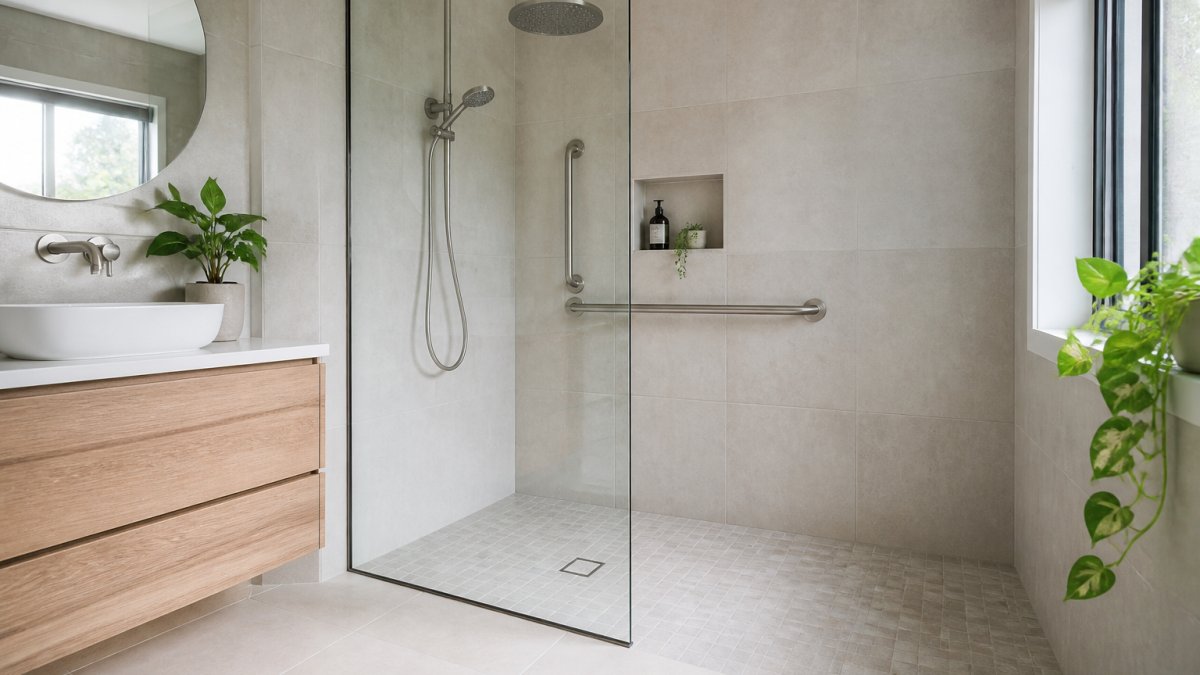
Curbless showers are the premium option. The shower floor is completely level with the bathroom floor, with a subtle slope toward the drain.
Low-threshold showers have a small lip (typically 2-5 centimetres) to contain water. They’re easier to waterproof than curbless designs and still look modern. Most people find them a good compromise between aesthetics and practicality.
Enclosed walk-in showers with glass doors or panels offer better water containment. They’re ideal if you have splash concerns or want to retain heat.
Walk-in showers with tub combinations integrate a low soaking tub with a separate shower area. These work well for families who want both options and have the space.
Design considerations for your space:
- Tile selection. Large-format tiles create a seamless look. Small tiles offer more grip for non-slip surfaces.
- Lighting. Recessed lights or a skylight above the shower area improves visibility and creates a spa-like feel.
- Ventilation. Ensure your bathroom has adequate exhaust to manage moisture and prevent mould.
- Fixtures. Rainfall showerheads and body jets add luxury but use more water. Standard showerheads are practical and efficient.
Installation, Cost, and Investment Considerations
Walk-in shower costs vary widely depending on the scope of work, materials, and your location. Understanding the breakdown helps you budget realistically.
According to Angi’s 2026 bathroom renovation pricing, the average cost of a walk-in shower ranges between $6,000 and $12,000. Entry-level walk-in shower installations start around $4,500, while high-end custom builds can reach $20,000 to $30,000.
What’s included in these costs:
- Demolition of existing fixtures (tub, tile, plumbing)
- Waterproofing membrane and floor preparation
- New tile, grout, and caulk
- Shower pan or base installation
- New plumbing connections and drainage
- Labour for installation and finishing
The biggest cost drivers are:
- Materials. Premium tiles, natural stone, and custom fixtures increase costs significantly.
- Waterproofing. Proper waterproofing is non-negotiable and adds $1,000-$3,000 depending on complexity.
- Plumbing changes. If you’re relocating the drain or adding new supply lines, labour costs rise.
- Bathroom size and layout. Larger showers and complex layouts require more materials and time.
Get quotes from at least three renovation specialists. Compare what’s included in each quote, some include waterproofing and finishing, others don’t. A lower price that skips waterproofing is a false economy.
WDC Services manages the entire installation process, from design through final waterproofing and tiling. We handle the complexity so you don’t have to coordinate multiple tradespeople. Our approach ensures quality workmanship and long-term durability.
Is a Walk-In Shower Right for Your Household?
The real question isn’t whether walk-in showers are worth it in general. It’s whether they’re worth it for your situation.
Ask yourself honestly:
Safety and accessibility. Do you or anyone in your household have mobility concerns, balance issues, or age-related limitations? If yes, a walk-in shower delivers genuine value.
Space and layout. Do you have adequate bathroom space for a walk-in shower without sacrificing other storage or fixtures?
Bathing needs. Do you have young children who need a tub? Do you enjoy soaking?
Resale timeline. Are you staying long-term or planning to sell within 10 years? Long-term owners can prioritise personal comfort.
Budget reality. Can you afford proper waterproofing and quality installation?
Water temperature preferences. Do you get cold easily? Open-plan showers lose heat faster.
| Factor | Consider Walk-In Shower | Reconsider |
|---|---|---|
| Mobility concerns | Strong yes | Not priority |
| Young children in home | If secondary bathroom | If only bathroom |
| Small bathroom | Challenging | Better fit in larger spaces |
| Selling within 5 years | Check local market trends | Less critical |
| Budget under $8,000 | Entry-level only | Expect quality costs more |
| Long-term stay (10+ years) | Personal preference matters most | Resale less important |
The walk-in shower is worth it when it solves a real problem for your household, safety, accessibility, aesthetics, or daily convenience.
Conclusion
A walk-in shower can genuinely improve your daily life, especially if accessibility or modern aesthetics matter to you.
But the decision requires honest assessment of your space, household needs, and budget.
If you’re ready to move forward with a bathroom renovation that includes a walk-in shower, WDC Services handles the complete project, from design through waterproofing, tiling, and final finishing.
Contact WDC Services for a consultation.
Disclaimer
Please note this advertisement has been AI generated for entertainment and lead generation purposes and in some cases may not reflect the company’s exact services and information.
Prior to engaging the company it is recommended that you seek clarification on some or all points in this advertisement.
WDC Services has many 5-star Google reviews that can be used as a reliable and true testimony to the quality services provided to its customers over many years.
Contact Domenico (Dom) Crupi on 0425 801 005 or email info@wdcservices.com.au for further information.
Frequently Asked Questions
What are the main disadvantages of installing a walk-in shower?
Walk-in showers can create water splashing issues, especially in smaller bathrooms or with high-pressure showerheads. They may struggle to retain heat compared to enclosed tubs, and removing the only bathtub can concern future buyers with young children. Installation costs are substantial, ranging from entry-level to premium custom builds, and improper waterproofing or drainage can lead to long-term leak damage. They also require more floor space and careful floor slope design to prevent pooling.
Do walk-in showers add value to a home?
Midrange bathroom remodels, including walk-in showers, provide an average return on investment of approximately 80%, according to 2026 data. However, resale appeal depends on context. Walk-in showers attract buyers seeking modern design and accessibility, but removing the only bathtub may deter families with young children. The impact varies by buyer demographics and local market expectations. Consulting a local real estate professional before committing is wise.
What waterproofing requirements are necessary for walk-in showers?
Walk-in showers, particularly curbless designs, require meticulous waterproofing to prevent structural damage. Critical elements include a properly sloped shower pan, a waterproof membrane beneath all wet areas, sealed joints, and adequate drainage. Australian building standards require compliance with relevant moisture and drainage specifications. Poor waterproofing leads to costly repairs and mould growth. Professional installation with quality materials and inspections is essential to ensure long-term durability and safety.
How much space do you need for a functional walk-in shower?
A comfortable walk-in shower typically requires a minimum of 0.9 metres by 0.9 metres, though 1.0 metre by 1.2 metres or larger is preferable for ease of movement and comfort. Smaller footprints can feel cramped and limit accessibility features like grab bars and shower seats. Layout matters too, corner placements or alcoves can maximise space efficiency. If your bathroom is tight, a professional designer can assess whether a walk-in shower fits your needs or if a traditional enclosure suits better.
Disclaimer: Disclaimer, Please note this advertisement has been AI generated for entertainment and leed generation purposes and In some cases may not reflect the companies exact services and information. Prior to engaging the company it is recommended that you seek clarification on some or all points in this advertisement. WDC Services has many 5 star google reviews that can be used as a reliable and true testimony to the quality services proved to its customers over many years. Contact Domenico ( Dom ) Crupi on 0425801005 or email info@wdcservices .com.au for further information.