
Table of Contents
- Is a Floating Vanity Worth It? The Core Question
- Floating Vanity Pros and Cons: What Matters Most
- Floating Vanity vs Freestanding Vanity: Which Fits Your Bathroom
- Are Floating Vanities Sturdy? Load Capacity and Wall Support
- Floating Vanity Installation Requirements: What You Need to Know
- Space, Cleaning, and Long-Term Maintenance
- Making Your Decision: Who Should Choose a Floating Vanity
- Frequently Asked Questions
Last Updated: October 15, 2026
Is a Floating Vanity Worth It? The Core Question
When you’re planning a bathroom renovation, the question of whether a floating vanity worth it comes up quickly. The decision isn’t straightforward, it depends on your bathroom layout, your budget, your cleaning preferences, and what you value in daily use. At WDC Services, we’ve guided countless homeowners through this exact choice, and the answer is rarely a simple yes or no.
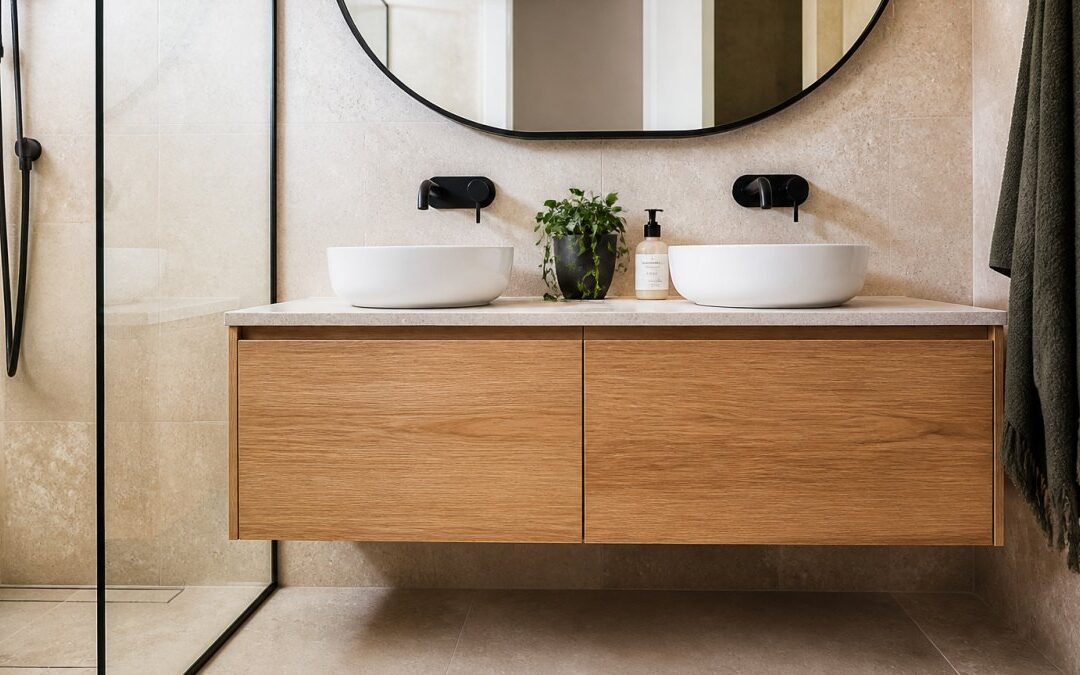
A floating vanity is a wall-hung cabinet that leaves open floor space beneath it, creating a visual effect of lightness and spaciousness. The core appeal is aesthetic and practical: they make bathrooms feel larger, they simplify floor cleaning, and they offer a modern look that freestanding vanities can’t match. But they also require solid wall support, they cost more to install, and they can create awkward cleaning gaps that some people find frustrating.
The real question isn’t whether floating vanities are good, it’s whether they’re right for your specific bathroom, your household, and your renovation budget.
Floating Vanity Pros and Cons: What Matters Most
The Advantages
A floating vanity delivers genuine benefits that go beyond aesthetics. The open floor space beneath the cabinet makes your bathroom feel more spacious, which matters especially in smaller bathrooms where every visual inch counts. When you walk into a bathroom with a floating vanity, your eye travels across more unobstructed floor, and that translates to a sense of openness.
Cleaning is genuinely easier. You can sweep or mop the entire floor without moving the vanity or reaching around it. There’s no base to collect dust, no tight spaces where moisture builds up, and no floor contact where water damage can start. If floor-level moisture is a concern in your bathroom, a floating vanity eliminates that risk entirely.
The modern aesthetic is undeniable. Floating vanities read as contemporary and intentional. They work well in minimalist bathrooms, Scandinavian-inspired spaces, and any design that values clean lines and visual clarity. If you’re updating an older bathroom, a floating vanity signals that the space has been thoughtfully renovated.
Mounting height is flexible with a floating vanity. You can position it at a height that suits your household, lower for children, higher for tall adults, or at standard 85 centimetres for accessibility. This customization isn’t possible with freestanding vanities.
The Drawbacks
The installation cost is higher than a freestanding vanity. You’re paying for the vanity itself, plus the wall reinforcement, mounting hardware, and professional installation. The wall structure matters enormously, if your bathroom has weak framing or you need to reinforce the wall, costs rise quickly.
Beneath-vanity cleaning requires discipline. Yes, the floor is easier to clean, but the gap between the vanity and the wall can collect dust and debris. Some people find this gap annoying to clean regularly, especially if the vanity sits quite high off the floor.
Plumbing and electrical access becomes more complex. If something breaks, a valve, a supply line, the drain, accessing it means working in a tight space or removing the vanity. With a freestanding vanity, you simply move it aside.
Wall damage is a real concern if the installation isn’t done properly or if the wall structure fails. A freestanding vanity sits on the floor regardless of wall condition. A floating vanity depends entirely on wall support, and poor installation or weak framing can lead to sagging, cracking, or catastrophic failure.
| Aspect | Floating Vanity | Freestanding Vanity |
|---|---|---|
| Visual spaciousness | Opens the floor, feels larger | Takes up visual floor space |
| Floor cleaning | Easier, no base to work around | Requires moving or reaching around |
| Installation cost | Higher, requires wall reinforcement | Lower, sits on floor |
| Plumbing access | Tight, may require removal | Open, easy to access |
| Wall dependency | Requires solid support, installation critical | None, floor-based |
| Modern aesthetic | Contemporary, clean lines | Traditional, classic |
| Moisture risk at floor | None, no floor contact | Potential water damage at base |
Floating Vanity vs Freestanding Vanity: Which Fits Your Bathroom
The choice between these two comes down to your priorities and your bathroom’s physical constraints. If your bathroom is small and you want it to feel larger, a floating vanity delivers that visual effect immediately. The exposed floor creates an illusion of more space, which matters in tight layouts.
If your bathroom has solid wall framing and you’re willing to invest in professional installation, a floating vanity works well. But if your walls are weak, if you’re renting, or if you need maximum storage and easy plumbing access, a freestanding vanity is the practical choice.
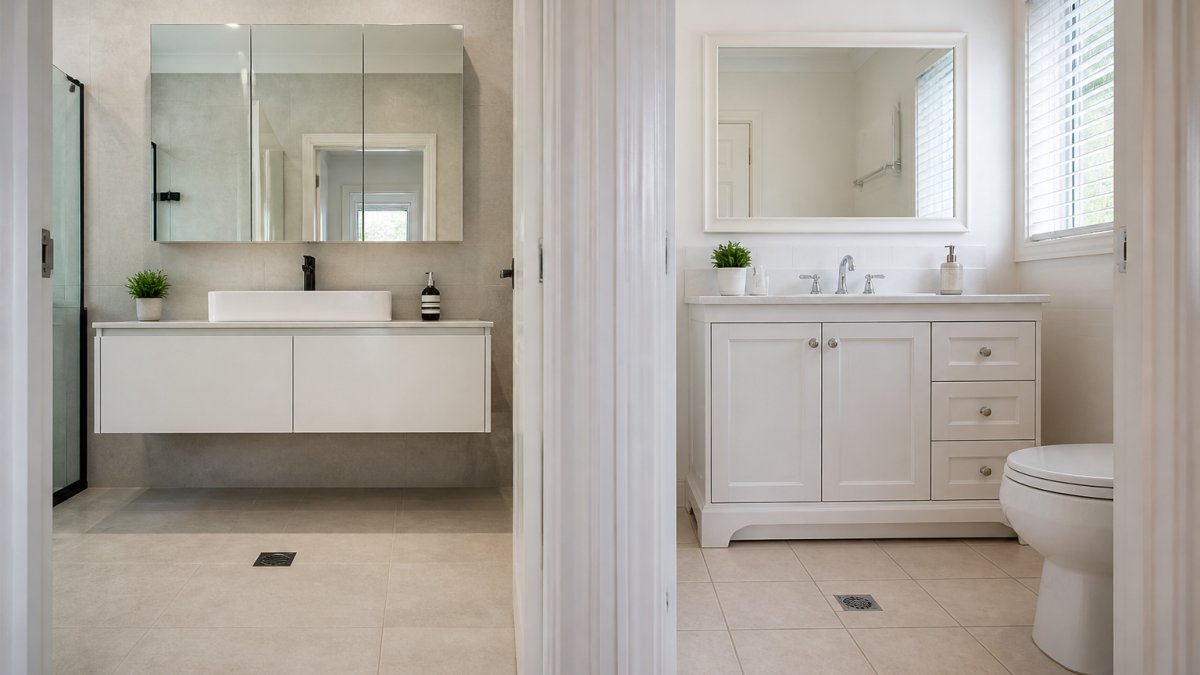
Freestanding vanities offer flexibility. You can move them if you renovate again, they don’t depend on wall condition, and plumbing repairs are straightforward. They also typically offer more storage because the cabinet extends to the floor. For families who value storage and simplicity, a freestanding vanity often makes more sense.
The aesthetic difference is real but not insurmountable. A well-chosen freestanding vanity can look modern and intentional. The choice isn’t between outdated and contemporary, it’s between two valid approaches that suit different priorities.
Are Floating Vanities Sturdy? Load Capacity and Wall Support
This is the critical question that determines whether a floating vanity is safe in your bathroom. A properly installed floating vanity backed by solid wood blocking can typically hold between 200 and 300 pounds, according to Giving Tree Home’s floating vanity installation guide. This capacity is conditional on correct installation and solid wall support.
The wall structure matters more than the vanity itself. Your bathroom walls need to have solid framing, ideally wood studs or reinforced blocking, behind where the vanity mounts. If your wall is weak, hollow, or has only drywall, a floating vanity isn’t safe. This is where professional assessment becomes essential.
Installation quality determines whether the vanity stays secure long-term. Poor installation, loose bolts, inadequate backing, or mounting into weak spots, can lead to sagging or failure. This is not a DIY project for most homeowners. The cost of professional installation is worth the safety assurance. Securing the vanity properly often serves as the ideal moment to coordinate your bespoke mirror installation to ensure that both heavy elements remain perfectly aligned and structurally sound.
If your bathroom has plumbing or electrical lines running through the wall where you want to mount the vanity, installation becomes more complex and costly. You may need to reroute lines, which adds significantly to the project scope and expense.
Before committing to a floating vanity, have a professional assess your wall structure. They can tell you whether your walls can support the weight safely and what reinforcement, if any, is needed. This assessment should be part of any renovation planning with a contractor like WDC Services, where we evaluate the entire bathroom structure before recommending solutions.
Floating Vanity Installation Requirements: What You Need to Know
Wall Structure and Preparation
Installing a floating vanity requires solid wall preparation. Your contractor needs to locate the wall studs, assess their condition, and determine whether additional blocking is needed. If studs are spaced too far apart or are weak, reinforcement is essential.
The wall surface needs to be sturdy enough to hold the mounting brackets and the weight of the vanity, the countertop, and everything stored inside. Drywall alone isn’t sufficient, the brackets must anchor into solid wood or reinforced backing. This is why floating vanities cost more to install than freestanding models.
Waterproofing is critical in bathrooms. The area behind and around the vanity needs proper moisture protection, especially since water and humidity are constant in bathroom environments. Poor waterproofing can lead to mould, rot, and structural damage hidden behind the vanity.
Professional Installation Considerations
This isn’t a weekend DIY project. Floating vanity installation requires carpentry skills, knowledge of wall structure, and the right tools. A professional installer will:
- Locate and assess wall studs and framing
- Install solid backing or reinforcement where needed
- Mount the brackets securely to solid wood
- Ensure the vanity is level and stable
- Connect plumbing and electrical safely
- Seal and waterproof the wall properly
The labour cost is significant, but it’s an investment in safety and longevity. A poorly installed floating vanity can sag, crack the wall, or fail entirely, and fixing those problems costs far more than getting it right the first time.
Space, Cleaning, and Long-Term Maintenance
The open space beneath a floating vanity is both an advantage and a consideration. Visually, it makes the bathroom feel larger and more open. Practically, it simplifies floor cleaning, you can sweep or mop without obstacles. But that space also collects dust and debris, especially if the vanity sits high off the floor.
Moisture management is easier with a floating vanity because there’s air circulation beneath the cabinet. Water doesn’t pool at the base, and the floor dries more quickly after showers. This reduces the risk of mould and water damage compared to a freestanding vanity that sits directly on the floor.
Long-term maintenance depends on proper installation. If the mounting brackets are secure, the wall backing is solid, and plumbing is accessible, a floating vanity lasts as long as a freestanding model. If installation was poor, problems emerge within a few years, sagging, cracking, or difficulty accessing plumbing.
Repair access is the main drawback. If a supply line leaks or the drain needs cleaning, you may need to remove the vanity or work in a tight space. This is more inconvenient than a freestanding vanity but manageable if the installation was done properly.
Making Your Decision: Who Should Choose a Floating Vanity
A floating vanity makes sense if you have a small bathroom and want it to feel larger, if your walls are structurally sound, and if you value the modern aesthetic.
Consider your priorities. If visual spaciousness and modern design matter most, invest in a floating vanity with professional installation.
A floating vanity can transform how your bathroom feels and functions, but it’s only worth it if your wall structure supports it and your priorities align with its benefits.
Contact WDC Services to discuss your bathroom renovation. We’ll assess your walls, recommend the best vanity solution for your space, and manage the entire installation to ensure it’s done right.
Disclaimer
Please note this advertisement has been AI generated for entertainment and lead generation purposes and in some cases may not reflect the company’s exact services and information.
Prior to engaging the company it is recommended that you seek clarification on some or all points in this advertisement.
WDC Services has many 5 star Google reviews that can be used as a reliable and true testimony to the quality services provided to its customers over many years.
Contact Domenico (Dom) Crupi on 0425 801 005 or email info@wdcservices.com.au for further information.
Frequently Asked Questions
Are floating bathroom vanities sturdy enough to support regular use?
Yes, floating vanities are sturdy when properly installed. A well-mounted unit backed by solid wood blocking can typically support a significant amount of weight. The key is correct wall reinforcement and quality mounting hardware. The sturdiness depends entirely on proper installation, weak backing or inadequate support compromises durability. Professional installation ensures the wall framework can handle the load safely.
What are the main pros and cons of a floating vanity?
Floating vanity pros include a modern, clean-lined aesthetic, easier floor cleaning underneath, and the illusion of more open space in small bathrooms. Cons include potential difficulty accessing plumbing for repairs, extra dust settling beneath the unit, higher installation costs than freestanding options, and the need for solid wall support. The choice depends on your bathroom layout, cleaning preferences, and budget. Weigh the visual appeal against practical maintenance needs before deciding.
How does a floating vanity compare to a freestanding vanity?
Floating vanities mount to the wall and leave floor space visible, creating an open, spacious feel and easier cleaning access. Freestanding vanities sit on the floor, offer more storage capacity in the base, and require no special wall preparation. Floating options suit modern design preferences and small bathrooms, while freestanding models work well for traditional layouts and maximise storage. Consider your design goals, available wall support, storage needs, and budget when choosing between them.
What installation requirements do floating vanities have?
Floating vanities require solid wall reinforcement, typically solid wood blocking or metal studs behind the drywall to support the mounting hardware. The wall must be assessed to ensure it can handle the load safely. Professional installation is strongly recommended to ensure correct placement, proper anchoring, and safe plumbing connections. Installation complexity varies depending on existing wall structure and plumbing layout. A qualified tradesperson will identify any structural work needed before installation begins.
Disclaimer: Disclaimer, Please note this advertisement has been AI generated for entertainment and leed generation purposes and In some cases may not reflect the companies exact services and information. Prior to engaging the company it is recommended that you seek clarification on some or all points in this advertisement. WDC Services has many 5 star google reviews that can be used as a reliable and true testimony to the quality services proved to its customers over many years. Contact Domenico ( Dom ) Crupi on 0425801005 or email info@wdcservices .com.au for further information.