
Table of Contents
- Is Underfloor Heating Worth It: The Real Question
- Underfloor Heating Pros and Cons
- Installation Costs and Upfront Investment
- Underfloor Heating Running Costs and Energy Use
- Electric vs Hydronic Underfloor Heating
- Underfloor Heating Installation in Bathrooms
- Underfloor Heating vs Radiators: Which Delivers Better Value
- Does Underfloor Heating Save Money Long-Term?
- Making the Decision: Is Underfloor Heating Worth It?
- Frequently Asked Questions
Last Updated: October 10, 2026
Is Underfloor Heating Worth It: The Real Question
Whether underfloor heating is worth it depends on your home, budget, and what you’re replacing. Underfloor heating worth the investment? That’s what we’re exploring here.
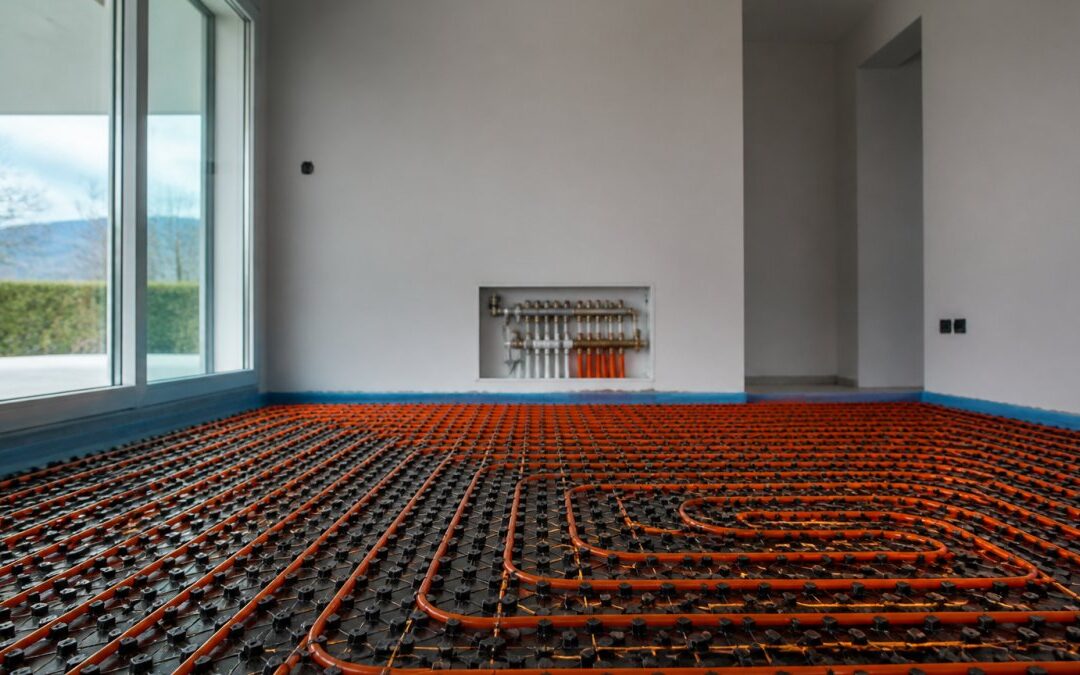
Underfloor heating warms your home from the floor up using warm water pipes or electric elements beneath flooring. It delivers even warmth with no cold spots and eliminates visible radiators.
Underfloor Heating Pros and Cons
Key Advantages
Underfloor heating spreads warmth evenly, eliminating hot and cold spots. The difference is immediately noticeable in bathrooms and kitchens.
The system operates silently, no clanking pipes, fan noise, or radiator hum.
Without radiators, you gain wall space for furniture and design flexibility.
Underfloor heating integrates naturally into renovation projects when flooring and waterproofing work is already planned.
Here’s what appeals to most homeowners:
- Even, consistent warmth with no cold spots
- Silent operation
- Frees up wall space for furniture and design
- Works with most flooring types (with caveats we’ll cover)
- Integrates seamlessly into renovation projects
Key Disadvantages
Installation costs are substantial, covering materials, labour, and home disruption.
Heat-up time is slower than radiators, which matters if you need warmth quickly or use rooms intermittently.
Repairs require removing flooring, making them expensive and disruptive.
Thick carpets and certain wood types reduce heat transfer. Tile and stone work best but require thermostat control to avoid overheating.
Common drawbacks include:
- High installation costs
- Slow heat-up compared to radiators
- Difficult and expensive repairs if something fails
- Limited compatibility with thick carpets
- Requires careful thermostat management to avoid overheating
Installation Costs and Upfront Investment
Installation cost is the primary barrier, covering materials, labour, and coordination.
Cost factors include area size, system type (electric or hydronic), and whether it’s a new build or retrofit installation.
Flooring material selection influences cost; professionals can advise on best choices for your system and budget.
Key cost factors:
- Size of heated area
- System type (electric or hydronic)
- New build versus retrofit installation
- Flooring material selection
- Labour rates in your region
- Complexity of the layout
Underfloor Heating Running Costs and Energy Use
Running costs determine long-term savings.
Underfloor heating systems are efficient: electric systems convert nearly 100% of input to heat, and hydronic systems distribute heat with minimal waste. However, efficiency depends on proper usage and thermostat control.
Running costs are competitive with radiators when properly controlled. Set underfloor heating to lower temperatures than radiators since warmth spreads evenly.
Timer controls and zone heating reduce energy bills, heating a bathroom only morning and evening costs far less than constant heating.
Running cost considerations:
- Nearly all electrical input converts to heat (efficient)
- Hydronic systems distribute heat with minimal loss
- Thermostat settings are critical to managing bills
- Timer controls and zoning reduce energy use
- Regional electricity rates affect final costs
Electric vs Hydronic Underfloor Heating
Electric and hydronic systems suit different situations.
Electric Systems: Speed and Simplicity
Electric systems use heating cables or mats embedded beneath flooring. Installation is straightforward with no plumbing required.
Installation is simpler and faster than hydronic systems, making electric heating ideal for single rooms like bathrooms.
Heat-up is faster than hydronic systems, though slower than radiators, useful for bathrooms.
The downside is that electric systems work best for smaller areas. Heating a large open-plan space with electric cables becomes expensive, both in installation and running costs. The cables draw significant power, which shows up in your electricity bill.
Electric systems are ideal for:
- Bathrooms and small rooms
- Retrofit installations (easier to add to existing homes)
- Quick installation with minimal disruption
- Targeted heating of specific areas
Hydronic Systems: Efficiency and Reach
Hydronic (water-based) underfloor heating circulates warm water through pipes beneath your flooring. The system connects to a boiler or heat pump, the same way central heating works.
Hydronic systems excel at heating large areas efficiently. Once installed, they distribute warmth across multiple rooms with less energy waste than electric systems. The running costs are typically lower when you’re heating significant floor areas, because the system operates at lower temperatures than radiators require.
Installation is more complex. You need to integrate the underfloor system with your home’s central heating, which requires plumbing work and careful design. This makes hydronic systems most practical during major renovations when you’re already upgrading your heating infrastructure.
The payback comes over time. Hydronic systems cost more upfront but deliver lower running costs across larger areas. For whole-home heating, they’re often the better financial choice.
Hydronic systems suit:
- Large areas and whole-home heating
- New builds or major renovations
- Homes with existing central heating systems
- Long-term cost efficiency
Underfloor Heating Installation in Bathrooms
Bathrooms are the most common place homeowners choose underfloor heating. The comfort of warm floors when stepping out of the shower is genuinely appealing, and bathroom renovations often create the perfect opportunity to install it.
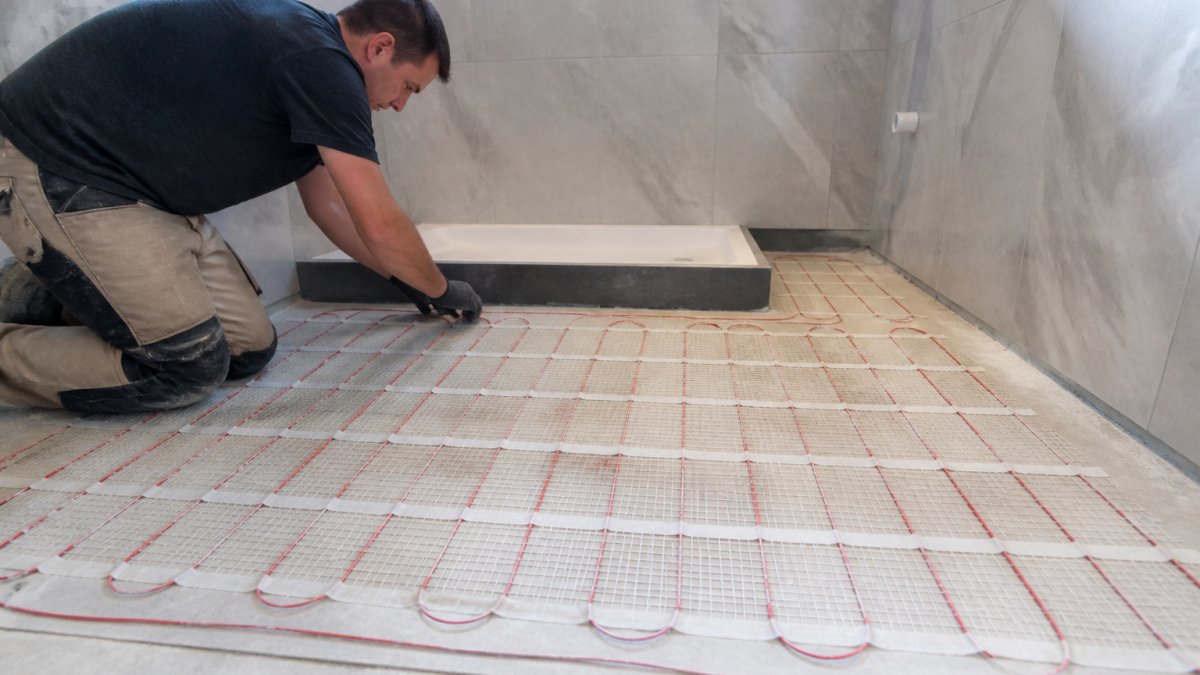
Installation in bathrooms is straightforward. Most bathroom renovations involve removing old flooring and preparing the subfloor, the ideal time to add heating. Electric systems are most common in bathrooms because the area is small and installation is quick.
The heating mat or cables go down before your new flooring (usually tile or stone, which conduct heat well). The system connects to a thermostat, often installed in an adjacent wall or vanity area. Once the flooring is laid over the heating elements, the system is complete.
Waterproofing is critical in bathrooms. Your heating system must be installed on a properly waterproofed subfloor, and the flooring itself must be laid with waterproofing membranes. This is non-negotiable, water damage to underfloor heating systems is expensive.
Most homeowners find bathroom underfloor heating worthwhile for comfort alone. The cost is lower than heating larger areas, and the benefit is immediate and noticeable. You step onto warm tile every morning instead of cold floor.
Bathroom installation checklist:
- Prepare and waterproof the subfloor properly
- Lay heating mat or cables evenly
- Install thermostat in convenient location
- Ensure flooring (tile or stone) is laid with waterproofing membranes
- Test the system before finishing
- Set thermostat to appropriate temperature
Underfloor Heating vs Radiators: Which Delivers Better Value
Comparing underfloor heating to traditional radiators reveals different strengths. Neither is universally “better”, the right choice depends on your priorities and home.
Radiators heat quickly. They reach full temperature in minutes, perfect if you want instant warmth. Underfloor heating takes longer to warm up, though once warm, it maintains temperature efficiently.
Radiators take up wall space. Underfloor heating frees that space. In small rooms, this difference is noticeable. In larger homes, it’s less critical.
Radiators are easy to repair or replace. If a radiator fails, you swap it out without removing flooring. Underfloor heating repair requires accessing the subfloor, which is disruptive and expensive.
Running costs depend on how each system is used. Radiators can heat quickly but often run continuously. Underfloor heating operates at lower temperatures with better zoning control, which can reduce energy use, but only if managed properly with thermostats and timers. Optimizing these modern heating solutions often requires a holistic approach to domestic infrastructure, where the efficiency of your water supply system becomes just as critical as the thermal output of your floors.
Installation disruption differs significantly. Adding radiators to an existing home is relatively simple. Installing underfloor heating requires removing flooring and preparing the subfloor, which is far more disruptive.
Comparison summary:
| Aspect | Radiators | Underfloor Heating |
|---|---|---|
| Heat-up speed | Fast (minutes) | Slow (hours) |
| Wall space | Takes up space | Frees up space |
| Repair access | Easy, quick | Difficult, expensive |
| Running costs | Variable, often high | Lower with proper control |
| Installation disruption | Minimal | Significant |
| Comfort feel | Localized warmth | Even, gentle heat |
| Retrofit ease | Simple | Complex |
Does Underfloor Heating Save Money Long-Term?
The long-term financial case for underfloor heating is mixed. It depends on several variables: your current heating system, how you use the system, your electricity rates, and how long you stay in the home.
Underfloor heating doesn’t automatically save money compared to radiators. The lower running costs (when properly controlled) can offset the higher installation costs, but the payback period is longer than many homeowners expect.
If you’re installing underfloor heating in a small bathroom as part of a renovation, the comfort benefit often justifies the cost regardless of long-term savings. You’re already doing the work, and the heating system integrates naturally.
If you’re considering whole-home underfloor heating as a replacement for your current heating system, the financial case is less clear. The installation cost is substantial. Running cost savings, while real, accumulate slowly.
Energy efficiency improvements elsewhere in your home often deliver better financial returns. Better insulation, window upgrades, and thermostat controls reduce energy use and bills faster than switching to underfloor heating.
The real value of underfloor heating is comfort and space. If those matter to you, and you’re already doing renovation work, it’s worth considering. If you’re choosing it purely for long-term cost savings, look at other efficiency upgrades first.
Long-term value factors:
- Upfront cost is high
- Running cost savings accumulate slowly
- Payback period is typically 10+ years
- Comfort and space benefits are immediate
- Other efficiency upgrades may offer faster returns
- How long you stay in the home matters significantly
Making the Decision: Is Underfloor Heating Worth It?
Whether underfloor heating is worth it comes down to your specific situation. Ask yourself these questions:
Are you already doing a renovation? If yes, the integration cost is lower, and the decision becomes easier. If no, the upfront cost may not justify the benefit.
Do you value comfort and space over long-term cost savings? Underfloor heating excels here. If you prioritize lower bills above all else, other upgrades may serve you better.
How long do you plan to stay in your home? Longer tenure makes the payback period more acceptable.
What’s your current heating system? If you’re replacing radiators anyway, underfloor heating becomes part of a larger renovation budget.
Do you have specific comfort needs? Cold bathrooms, drafty rooms, or uneven heating across your home make underfloor heating more appealing.
When WDC Services works with homeowners on bathroom or kitchen renovations, we often recommend underfloor heating in bathrooms specifically.
The decision is yours. Underfloor heating is a genuine comfort upgrade with real benefits.
Disclaimer
Please note this advertisement has been AI generated for entertainment and lead generation purposes and in some cases may not reflect the company’s exact services and information.
Prior to engaging the company it is recommended that you seek clarification on some or all points in this advertisement.
WDC Services has many 5 star Google reviews that can be used as a reliable and true testimony to the quality services provided to its customers over many years.
Contact Domenico (Dom) Crupi on 0425801005 or email info@wdcservices.com.au for further information.
Frequently Asked Questions
Does underfloor heating use a lot of electricity?
Electric underfloor heating consumes power based on system size, thermostat settings, and usage patterns. Most systems operate efficiently when paired with good insulation and programmable controls. Running costs depend on your home’s insulation level, room temperature targets, and how many hours per day the system operates. Hydronic systems, powered by a boiler, may use less electricity overall but incur fuel costs instead. Actual consumption varies significantly by home type and heating habits.
Is underfloor heating worth the money for a bathroom renovation?
Bathroom underfloor heating delivers comfort and can prevent cold floors in wet areas, improving the user experience. The value depends on your budget, the bathroom size, and whether you’re already renovating. If you’re doing a full renovation, adding underfloor heating during installation costs less than retrofitting later. However, the upfront investment must be weighed against long-term energy savings and the comfort benefit you’ll actually use. For smaller bathrooms or tight budgets, a heated towel rail may offer better value.
Can underfloor heating be installed during a bathroom renovation?
Yes, underfloor heating installation during a bathroom renovation is straightforward and cost-effective. The heating mat or pipes are laid before flooring is installed, integrating seamlessly with your new floor. Electric systems are simpler to retrofit than hydronic systems. Working with a professional during your renovation ensures proper installation, correct thermostat placement, and compliance with building standards. This timing eliminates the disruption and extra cost of adding underfloor heating to an already-finished bathroom.
What’s the payback period for underfloor heating?
Payback period depends on energy bills saved, system type, and your home’s insulation. A well-insulated home with efficient controls may see faster returns than a poorly insulated one. Most underfloor heating systems do not pay for themselves through energy savings alone within 5-10 years. The real value lies in comfort, even heat distribution, and the convenience of programmable controls. If you’re renovating anyway, the marginal cost of adding underfloor heating may offer better value than installing it in an existing home.
Disclaimer: Disclaimer, Please note this advertisement has been AI generated for entertainment and leed generation purposes and In some cases may not reflect the companies exact services and information. Prior to engaging the company it is recommended that you seek clarification on some or all points in this advertisement. WDC Services has many 5 star google reviews that can be used as a reliable and true testimony to the quality services proved to its customers over many years. Contact Domenico ( Dom ) Crupi on 0425801005 or email info@wdcservices .com.au for further information.